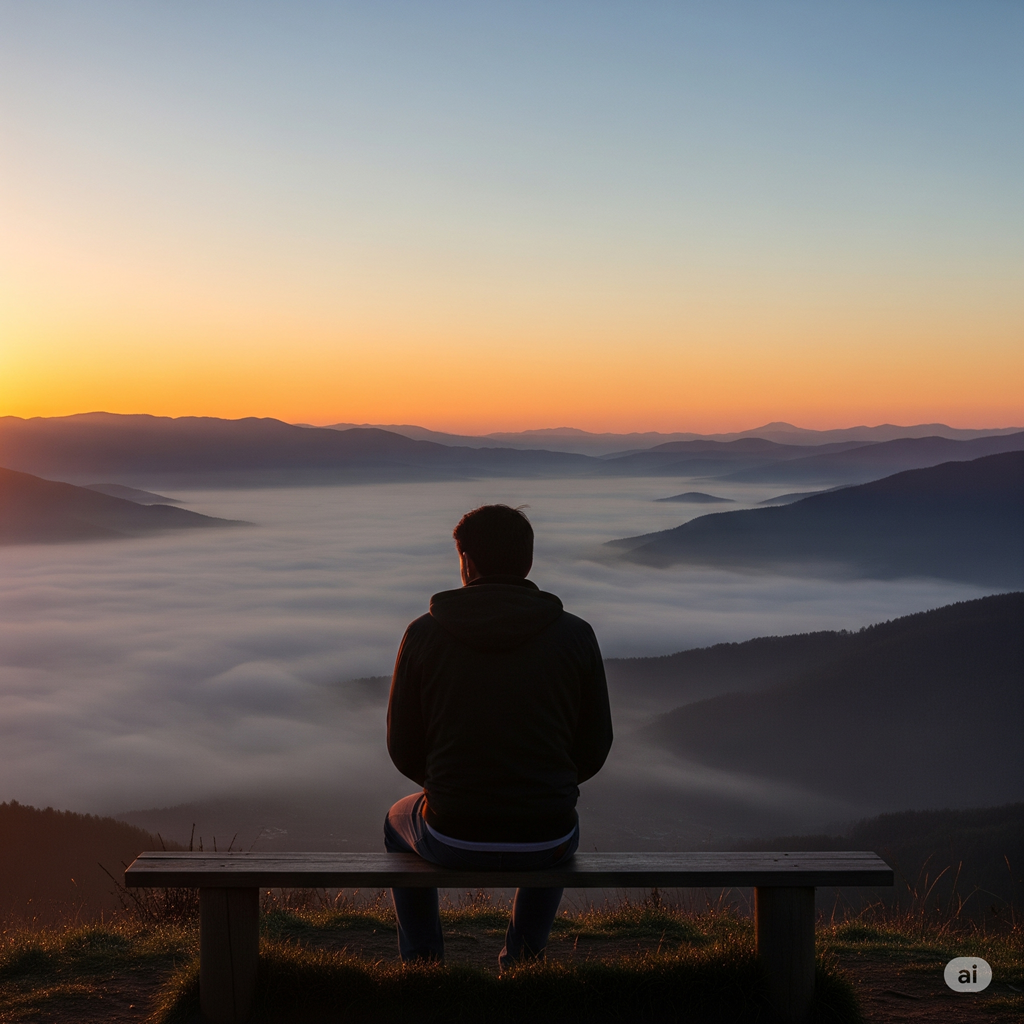
Finding Strength and Serenity in Solitude: A Modern Guide
In our hyper-connected world, the concept of solitude often carries a negative connotation. We equate being alone with loneliness, isolation, and even failure. However, a deeper understanding of solitude reveals a powerful and positive force—a state of being that is essential for personal growth, mental clarity, and creative expression. This article will explore the profound benefits of embracing solitude and provide practical ways to integrate it into your life.
Understanding the Difference: Solitude vs. Loneliness
Before we dive into the benefits, it’s crucial to differentiate between solitude and loneliness.
- Solitude is a chosen state. It’s an intentional retreat from the external world to connect with your inner self. It is a time for reflection, rest, and rejuvenation. You choose to be alone, and you feel content and at peace in that state.
- Loneliness, on the other hand, is an involuntary and often painful feeling of being disconnected from others. It is a sense of lack, a yearning for social connection that is not being met. You may feel lonely even when surrounded by people.
The key distinction lies in agency and feeling. Solitude is a choice that leads to fulfillment, while loneliness is a feeling of emptiness.
The Transformative Power of Solitude
Embracing time alone can lead to remarkable positive changes in your life. Here are some of the key benefits:
1. Enhances Creativity and Innovation:
Many of history’s greatest artists, writers, and thinkers, from Leonardo da Vinci to Virginia Woolf, have sought out solitude to fuel their creative processes. When you’re alone, your mind is free from external distractions and social pressures. This quiet space allows for free association, deep thought, and the incubation of new ideas. It’s the perfect environment for “aha!” moments to emerge.
2. Promotes Self-Awareness and Personal Growth:
Solitude provides a unique opportunity for introspection. Without the constant input of others, you can listen to your own thoughts and feelings. This self-reflection is vital for understanding your values, beliefs, and desires. It allows you to check in with yourself, identify areas for improvement, and chart a more authentic life path.
3. Reduces Stress and Improves Mental Health:
The constant demands of modern life can be overwhelming. Taking time for solitude allows your mind and body to decompress. Simple acts like going for a solo walk in nature, meditating, or simply sitting in quiet contemplation can lower cortisol levels, reduce anxiety, and promote a sense of calm. It’s a powerful form of self-care.
4. Strengthens Relationships:
Paradoxically, spending time alone can make your relationships with others stronger. When you understand yourself better and feel more centered, you can show up for others more authentically and with greater emotional availability. Solitude gives you the space to process emotions and thoughts, preventing you from bringing unaddressed baggage into your interactions.
5. Boosts Focus and Productivity:
Multitasking is often praised, but research shows it’s a myth. True focus comes from single-tasking without interruption. Solitude provides the ideal environment for deep work—the ability to focus without distraction on a cognitively demanding task. This leads to higher-quality work in less time.
Practical Ways to Integrate Solitude into Your Life
It’s not about becoming a recluse; it’s about intentionally carving out small pockets of alone time. Here are some simple, actionable tips:
- Start with Small Intervals: Begin with just 15-30 minutes of intentional alone time each day. This could be a quiet coffee in the morning before anyone else is awake or a short walk after work.
- Create a Solitude Space: Designate a specific corner of your home as your “sanctuary.” This could be a comfortable chair by a window or a spot in your garden where you can go to read, write, or simply be.
- Unplug Intentionally: Schedule “digital detox” periods. Turn off your phone, close your laptop, and resist the urge to scroll. Use this time to connect with yourself instead of your screen.
- Embrace Solo Activities: Explore activities you enjoy doing alone. This could be hiking, painting, journaling, visiting a museum, or simply sitting quietly with a cup of tea.
Conclusion: Reclaiming Solitude for a Richer Life
Solitude is not a punishment; it is a gift. It is an opportunity to recharge your spirit, clarify your mind, and reconnect with your deepest self. By reframing our perspective and intentionally seeking out moments of solitude, we can unlock a new level of personal power and serenity. In a world that constantly asks for our attention, the greatest act of rebellion and self-care may be simply to be alone.